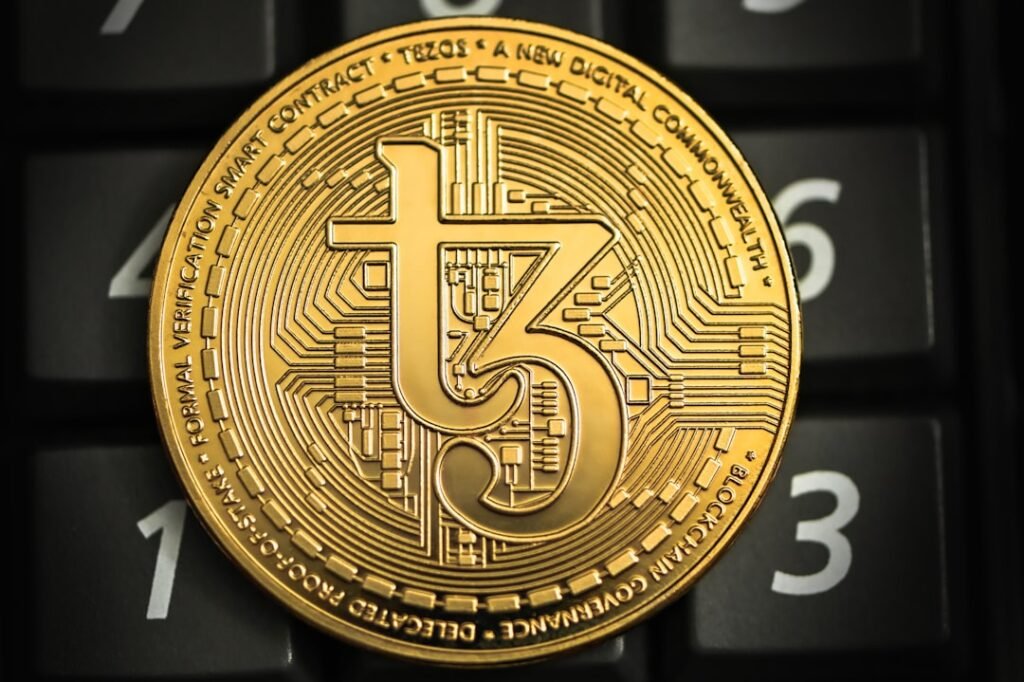
The concept of blockchain technology has transcended its origins in cryptocurrency to become a focal point in discussions surrounding digital ownership, data security, and the very structure of our digital future. Advertised as a revolutionary force promising decentralization and unparalleled transparency, blockchain presents a compelling narrative of empowering individuals by returning control over their digital assets. However, beneath the surface of this utopian vision lies a complex reality where the interplay between technological architecture and governance structures shapes the true extent of user autonomy. This extensive exploration delves into the intricacies of blockchain, examining its foundational principles, the promises it holds, and the critical questions it raises regarding the actual control individuals exert over their digital lives within these evolving systems.
The Genesis of Decentralization: Understanding Blockchain’s Core Principles
At its heart, blockchain is a distributed ledger technology (DLT) designed to record transactions across a network of computers. Unlike traditional centralized databases, where a single entity maintains ultimate control, blockchain operates on a peer-to-peer network. Each block in the chain contains a timestamped batch of transactions, and once validated by network participants, this block is added to the immutable chain. The cryptographic linking of blocks ensures that any alteration to a past transaction would necessitate recalculating all subsequent blocks, a computationally intensive and virtually impossible task.
Immutability and Transparency
Two cornerstones of blockchain technology are immutability and transparency. Immutability refers to the inability to alter or delete data once it has been recorded on the blockchain. This characteristic is particularly attractive for applications requiring tamper-proof records, such as supply chain management, intellectual property tracking, and digital identity verification. Every transaction, once confirmed, becomes a permanent part of the ledger.
Transparency, on the other hand, means that all participants in the network can view the entire transaction history. While specific identities might be pseudonymous (represented by alphanumeric wallet addresses rather than personal names), the flow of assets and data is openly verifiable. This open-source nature fosters a degree of accountability often lacking in centralized systems.
Cryptographic Security and Consensus Mechanisms
The security of blockchain relies heavily on advanced cryptography. Each transaction is digitally signed, ensuring its authenticity and integrity. Furthermore, data within each block is cryptographically hashed, linking it to the previous block and creating a secure, chronological chain.
To maintain a consistent and unified ledger across the distributed network, blockchains employ various consensus mechanisms. Proof-of-Work (PoW), famously used by Bitcoin, requires participants (miners) to solve complex computational puzzles to validate transactions and add new blocks. While secure, PoW is energy-intensive. Proof-of-Stake (PoS), a more energy-efficient alternative, selects validators based on the amount of cryptocurrency they “stake” as collateral. These mechanisms are crucial for preventing malicious actors from manipulating the ledger and ensuring the integrity of the blockchain.
The Promise of Personal Empowerment: Control Over Digital Assets
The appeal of blockchain technology largely stems from its potential to empower individuals by granting them greater control over their digital assets. In a world increasingly dominated by centralized platforms that act as intermediaries for everything from financial transactions to social interactions, blockchain offers an alternative vision.
True Digital Ownership
One of the most significant promises of blockchain is true digital ownership. With non-fungible tokens (NFTs), for instance, users can own unique digital items, verified and secured on a blockchain. Unlike traditionally owned digital content where one typically purchases a license to use rather than outright ownership, NFTs establish undeniable proof of ownership, whether for digital art, collectibles, or even in-game assets. This paradigm shift can revolutionize creator economies and empower artists and content creators by giving them direct ownership and provenance over their work.
Financial Sovereignty and DeFi
Beyond digital collectibles, blockchain underpins decentralized finance (DeFi), an emerging ecosystem of financial applications that operate on open, transparent, and permissionless blockchains. DeFi aims to replicate traditional financial services—lending, borrowing, trading, and insurance—without the need for banks or other financial institutions. Users can control their funds directly through self-custodial wallets, potentially reducing fees, increasing accessibility, and fostering greater financial inclusion, especially for those underserved by traditional banking systems.
Data Privacy and Identity Management
In an era of frequent data breaches and concerns about how personal information is collected and used, blockchain offers potential solutions for enhanced data privacy and identity management. Self-sovereign identity (SSI) models, built on blockchain, allow individuals to control their digital identities and selectively disclose information to third parties without relying on centralized identity providers. This could lead to a future where individuals consent to data sharing on a granular level, rather than relinquishing broad control to platform providers.
The Unseen Hand: Where Rules and Governance Shape Autonomy
While blockchain promises decentralization, the reality is often more nuanced. The slogan “your assets, their rules” encapsulates a critical tension within the blockchain ecosystem. The degree of control individuals truly have is often dictated by the underlying governance structures, design choices, and human factors that shape these ostensibly decentralized networks.
Centralization in Disguise: Mining Pools and Development Teams
Even in ostensibly decentralized systems, elements of centralization can emerge. In Proof-of-Work blockchains, mining power can become concentrated in large mining pools. If a single entity or a small group of entities controls a significant portion of the network’s hash rate (e.g., over 51%), they could theoretically orchestrate attacks, such as double-spending transactions or censoring specific transactions. While such attacks are economically prohibitive and often met with community resistance, the potential for concentration of power remains.
Furthermore, the design and evolution of a blockchain are heavily influenced by its core development team. These teams propose protocol upgrades, bug fixes, and new features, which then need to be adopted by the wider network. While the community has a say through governance mechanisms, the technical expertise and influence of core developers can be substantial, effectively shaping the “rules” of the network.
Governance Models: Votes, Forks, and Power Dynamics
Blockchain governance refers to the mechanisms by which decisions are made and implemented within a blockchain network. These models vary significantly. Some blockchains employ on-chain governance, where token holders vote directly on proposals, with their voting power often proportional to their holdings. This can lead to a plutocracy, where large token holders wield disproportionate influence.
Other blockchains utilize off-chain governance, relying on social consensus, developer proposals, and public discussions. While seemingly more democratic, this approach can be slow and susceptible to the influence of influential figures or groups within the community. When consensus cannot be reached, a hard fork can occur, splitting the blockchain into two separate chains with different rule sets. This highlights that while individual users can choose which chain to follow, their assets on the original chain may be subject to the rules of a majority decision they did not support.
The Role of Mediators: Exchanges and Wallets
While self-custody is a core tenet of blockchain, many users interact with digital assets through centralized exchanges (CEXs) and custodial wallets. These entities act as intermediaries, holding users’ private keys and managing their funds. While convenient, this reintroduces a single point of failure and makes users subject to the rules, terms of service, and security protocols of these centralized platforms. If an exchange shuts down, is hacked, or freezes assets, users can lose access to their funds, undermining the promise of self-sovereignty.
Smart Contracts: Immutability and Its Double-Edged Sword
Smart contracts, self-executing agreements whose terms are directly written into code, are a cornerstone of many blockchain applications. Once deployed, they are immutable and operate precisely as programmed. While this eliminates the need for intermediaries and ensures adherence to agreed-upon terms, it also presents a significant challenge: code is law.
If a smart contract contains bugs or vulnerabilities, these flaws can be exploited, leading to irreversible loss of funds or unintended consequences. The immutability of the blockchain means that once a flawed contract is deployed, correcting it can be difficult or impossible without a hard fork or a pre-programmed upgrade mechanism. This means that users engaging with smart contracts are essentially operating under the “rules” dictated by the contract’s code, which may contain unseen risks or be interpreted differently than initially intended.
Navigating the Labyrinth of Digital Ownership
Understanding the interplay between technology and governance is crucial for anyone engaging with blockchain. The promise of “your assets” comes with the implicit caveat of “their rules,” referring to the rules embedded in the protocol, enforced by consensus mechanisms, and shaped by influential participants.
Due Diligence and Self-Custody
For individuals to truly exert control, vigilance is paramount. This includes conducting thorough due diligence on any blockchain project, understanding its governance model, and assessing the risks associated with its smart contracts. Embracing self-custody by managing private keys directly through hardware wallets or reputable software wallets is also a critical step towards maintaining true ownership and reducing reliance on third-party intermediaries.
Active Participation and Education
The future of decentralized governance depends on active and informed participation from the community. Engaging in discussions, understanding proposals, and voting on governance issues (where applicable) can contribute to a more equitable and representative evolution of blockchain networks. Continuous education about the technology and its evolving landscape is also essential for navigating its complexities.
The Evolution of Regulation and Legal Frameworks
As blockchain continues to mature, regulatory bodies worldwide are grappling with how to integrate these decentralized systems into existing legal frameworks. The development of clear and rational regulations could provide a necessary layer of consumer protection and legal recourse, without stifling innovation. This intersection of technology and law will further define the boundaries of “your assets” and “their rules” in the digital realm.
Conclusion: A Delicate Balance
Blockchain technology undeniably offers groundbreaking potential for reshaping digital ownership, fostering transparency, and empowering individuals. It presents a compelling vision where users regain agency over their data and assets, moving away from centralized control. However, this vision is not without its complexities. The inherent design choices, governance mechanisms, and human elements within blockchain ecosystems mean that control is often distributed rather than absolute, and new forms of influence and rule-making emerge.
The question “Your assets, their rules?” is not a paradox but rather a reflection of the intricate balance between technological decentralization and the practicalities of collective decision-making and operational necessity. To truly unlock the promise of blockchain, individuals must become informed participants, discerning the various layers of control and actively engaging with the systems that govern their digital assets. As the technology continues to evolve, so too will our understanding of this delicate balance, paving the way for a more robust and equitable digital future – one where users are not just passive beneficiaries but active architects of the rules that govern their digital world.