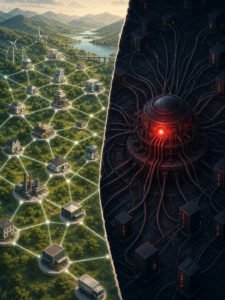
البيتكوين الخاص بك، اختيارك: الإبحار في مفترق الطرق الحرج بين الوصاية الذاتية والوصاية من طرف ثالث في عالم البيتكوين، هناك قرار واحد يعلو على كل القرارات الأخرى، وهو قرار أكثر أهمية من أي بورصة تستخدمها أو أي استراتيجية تداول تستخدمها. إنها مسألة الوصاية: من يحتفظ بالمفاتيح التي تتحكم في ثروتك الرقمية؟ هذه ليست مجرد تفاصيل تقنية؛ إنها حجر الأساس لسيادتك وأمنك المالي. فالاختيار بين الوصاية الذاتية والوصاية من طرف ثالث يحدد علاقتك بأصولك، ويعرضك لمجموعة فريدة من المخاطر والمكافآت. مع فقدان أكثر من $600 مليار دولار في مجال الأصول الرقمية بسبب فشل الصرافة والاختراقات وسوء الإدارة، فإن فهم هذا الخيار ليس اختيارياً - بل هو أمر ضروري لأي شخص جاد في الحفاظ على ثروته من البيتكوين وتنميتها. الطبيعة غير المتسامحة لمفاتيح البيتكوين في جوهرها، تُعد البيتكوين أصلًا لحامله. هذه الخاصية الثورية تعني أن السيطرة عليها لا تُمنح من خلال سند ملكية أو اسم على الحساب، ولكن من خلال الحيازة الخالصة لمفاتيح التشفير الخاصة. ومن يمتلك هذه المفاتيح يتحكم في البيتكوين بشكل مطلق ولا رجعة فيه. وهذا يعكس النموذج المالي التقليدي حيث تحتفظ المؤسسات بالأصول نيابة عنك. في البيتكوين، يمكنك أن تكون البنك الخاص بك. ولكن مع هذه القوة تأتي مسؤولية عميقة لا ترحم: فالمفاتيح المفقودة أو المخترقة تؤدي إلى خسارة دائمة لا رجعة فيها. تشير التقديرات إلى أن ما يقرب من 201 تيرابايت من جميع البيتكوين، أي ما يقرب من 4 ملايين بيتكوين قد فُقدت إلى الأبد، وغالبًا ما يكون ذلك بسبب عبارات أولية في غير محلها أو خطأ بشري بسيط. وبالتالي، فإن الحفظ ليس أمراً ثانوياً، بل هو الركيزة الأساسية لملكية البيتكوين على المدى الطويل. تاريخ مكتوب بالعملات المفقودة: صعود "ليست مفاتيحك، ليست عملاتك" لقد تم تشكيل مشهد الحفظ الحالي في نار الفشل الذريع. في السنوات الأولى للبيتكوين، كان الافتراضي هو ترك العملات في البورصات. انتهت هذه الحقبة فجأة مع انهيار شركة Mt. Gox في عام 2014. في ذروته، تعاملت شركة Mt. Gox مع أكثر من 701 تيرابايت 3 تيرابايت من معاملات البيتكوين العالمية. وكان فشلها، الناتج عن عملية اختراق طويلة الأمد استنزفت ما يقرب من 850,000 بيتكوين، حدثًا زلزاليًا. لم يقتصر الأمر على إفلاس البورصة، بل دمر ثقة الجمهور في حاملي العملات المركزية وأطلق الشعار المميز للمجتمع: "ليست مفاتيحك وليست عملاتك". أدى هذا النداء الواضح إلى ظهور الحراسة الذاتية. ظهرت أول محفظة أجهزة من فئة المستهلكين، وهي محفظة Trezor Model One، لأول مرة في عام 2014، حيث قدمت للأفراد أداة ملموسة للسيادة. على مدار العقد الماضي، تأرجح النظام البيئي للبيتكوين إلى حد كبير بين هذين القطبين: السيطرة الكاملة للحفظ الذاتي والراحة المألوفة لحفظ الطرف الثالث. ومع ذلك، كما يلاحظ مايكل تانجوما، الرئيس التنفيذي لشركة Onramp، بذكاء: "ليس من الصعب الاحتفاظ الذاتي بالحفظ الذاتي وتذكر 12 كلمة (عبارة أولية). ولكن من الصعب أن تقوم بالحفظ الذاتي عندما تعتمد على صافي ثروتك." يسلط هذا التوتر الضوء على المعضلة الأساسية لأصحاب الأصول الكبيرة. المسار السيادي: إيجابيات وسلبيات الحراسة الذاتية الحراسة الذاتية تعني أنك أنت، وأنت وحدك، من يحتفظ بالمفاتيح الخاصة للبيتكوين الخاصة بك. يتم تحقيق ذلك عادةً عن طريق محفظة أجهزة (مثل ليدجر أو تريزور) أو إعدادات متعددة التوقيعات أكثر تعقيدًا. المزايا (الإيجابيات): السيطرة والسيادة الكاملة: لديك سلطة أحادية الجانب لنقل عملة البيتكوين الخاصة بك في أي وقت، دون الحاجة إلى إذن أو مواجهة حدود السحب من طرف ثالث. مقاومة الرقابة: لا يمكن حظر معاملاتك أو تأخيرها من قِبل وسيط، وهو ما يتماشى تمامًا مع روح البيتكوين من نظير إلى نظير. الخصوصية: لا توجد مؤسسة تراقب ممتلكاتك أو سجل معاملاتك (إلا إذا اخترت خدمة الحفظ التعاوني). الحصانة من الفشل المؤسسي: لا تتعرض أصولك للانهيار التالي على غرار Mt. Gox أو FTX أو Celsius. كفاءة التكلفة: بعد الإعداد الأولي، لا توجد عادةً أي رسوم حراسة أو إدارة مستمرة. الأعباء (السلبيات): الخسارة التي لا يمكن تداركها: فقدان عبارة أولية مفقودة، أو نسيان رقم التعريف الشخصي، أو تلف الجهاز بدون نسخة احتياطية مناسبة يعني أن البيتكوين الخاص بك قد اختفى إلى الأبد. تصبح أنت نقطة الفشل الوحيدة. العبء التشغيلي والأمني: تقع مسؤولية الأمن المادي، والنسخ الاحتياطي الآمن، والحماية من التصيّد الاحتيالي أو السرقة على عاتقك بالكامل. ومع ازدياد شيوع تسريب البيانات الشخصية، يمكن أن يصبح أصحاب الحراسة الذاتية أهدافاً واضحة. التعقيد التقني: تؤدي إدارة الإعدادات الآمنة، وفهم مخططات التوقيعات المتعددة، والحفاظ على تحديث البرامج الثابتة إلى تقديم تبعيات تقنية شاقة. التوريث وتخطيط التوريث: من المعروف أن إنشاء خطة آمنة يسهل الوصول إليها للورثة أمر صعب دون إدخال مخاطر أو ثقة إضافية. الثقل النفسي: يمكن أن يكون الضغط النفسي الناجم عن كونك مسؤولاً بمفردك عن قدر كبير من الثروة التي تغير حياتك عبئاً كبيراً لا يُستهان به في كثير من الأحيان. الحل الوسط المريح: إيجابيات وسلبيات عهدة الطرف الثالث تعكس عهدة الطرف الثالث النظام المالي التقليدي: تحتفظ مؤسسة (بورصة أو بنك أو أمين حفظ مخصص) بمفاتيحك وتدير الأمان نيابة عنك. المزايا (الإيجابيات): الألفة وسهولة الاستخدام: لا توجد أجهزة لإدارتها أو عبارات أولية لتأمينها. غالباً ما تكون تجربة الإعداد وتجربة المستخدم مبسطة. الوصول إلى الخدمات المالية: تتيح سهولة التكامل مع التداول، والإقراض، والمراهنة، والأنشطة الأخرى المدرة للعائد. البنية التحتية المؤسسية: الاستفادة من فرق الأمن الاحترافية وسياسات التأمين وأطر الامتثال التي يصعب على الفرد تكرارها. دعم العملاء: يوفر ملاذًا لحل المشكلات، وهو أمر غائب في الحراسة الذاتية البحتة. نقاط الضعف (السلبيات): مخاطر الطرف المقابل: تتنازل عن التحكم في مفاتيحك. تصبح المؤسسة نقطة مركزية للفشل، ومعرضة للاختراق أو الاحتيال الداخلي أو الإعسار. فشل الحفظ كارثي: كما يلاحظ تانجوما، "الاختراق في التمويل التقليدي هو مشكلة تتعلق بالسمعة. أما الاختراق في حراسة البيتكوين فهو كارثي." وغالباً ما تكون الخسائر كاملة. شفافية محدودة: لا يمكنك عادةً التحقق بشكل مستقل من ممتلكات أمين الحفظ على السلسلة؛ يجب أن تثق في حساباته. احتمالية تجميد الأصول: يمكن أن تتأخر عمليات السحب أو تتوقف أثناء ضغوط السوق أو الإجراءات التنظيمية. قابلية التعرض للهجوم: حتى إذا كانت خزائن أمين الحفظ آمنة، فإن حسابات المستخدمين هي أهداف لهجمات مبادلة الشرائح المتطورة وهجمات الهندسة الاجتماعية. المعيار المتطور: دور أمين الحفظ المؤهل في مجال الحفظ لدى طرف ثالث، يوجد تمييز حاسم بين مجرد مزود الخدمة وأمين الحفظ المؤهل. هذه ليست مجرد لغة تسويقية؛ إنها تسمية تنظيمية ذات مضمون. في الولايات القضائية مثل الولايات المتحدة وكندا، تحدد الجهات التنظيمية متطلبات صارمة لأمناء الحفظ المؤهلين، بما في ذلك الحسابات المنفصلة، ومعايير الامتثال الصارمة (مثل مكافحة غسل الأموال/مكافحة غسل الأموال/مكافحة اعرف عميلك)، وبروتوكولات حماية الأصول الصارمة. أمناء الحفظ المؤهلون، مثل الشركات الائتمانية الخاضعة للتنظيم، يقدمون ضمانات على مستوى المؤسسات: الرقابة التنظيمية: يعملون تحت رقابة السلطات المالية، مما يوفر طبقة من المساءلة الخارجية. الأمان المتقدم: تنفيذ وحدات أمان الأجهزة (HSMs)، والحساب متعدد الأطراف (MPC)، والتخزين البارد الموزع جغرافيًا، وعمليات التدقيق المستقلة (SOC 1، SOC 2 Type II). التأمين: يحمل العديد منهم بوالص تأمين لتوفير الحماية المالية ضد أنواع معينة من الخسائر، على الرغم من أنه يجب التدقيق في شروط التغطية. خدمات "الحفظ الإضافي": غالبًا ما تمتد إلى ما هو أبعد من التخزين لدعم عمليات الرهان وتكامل التداول وعمليات السحب المعقدة التي تفرضها السياسات. تخطيط الإرث: إنها توفر آليات رسمية لتخطيط التركات ووصول المستفيدين، مما يحل مشكلة رئيسية في الحفظ الذاتي. بالنسبة للمؤسسات والأفراد ذوي الملاءة المالية العالية، غالبًا ما تكون الشراكة مع أمين حفظ مؤهل أمرًا غير قابل للتفاوض، حيث قد تفرضه اللوائح التنظيمية. ويمثل ذلك ابتعادًا عن "الغرب المتوحش" للعملات الرقمية المبكرة نحو بنية تحتية مالية ناضجة وخاضعة للمساءلة. ما وراء الثنائية: ظهور النماذج متعددة المؤسسات والنماذج الهجينة يتم تحدي الانقسام الصارخ بين الحراسة الذاتية والحراسة التقليدية من طرف ثالث. يدرك المبتكرون أنه بالنسبة للأصول الكبيرة، قد لا يكون أي من النموذجين هو الأمثل بمفرده. وقد أدى ذلك إلى تطوير نماذج متقدمة مثل الحفظ متعدد المؤسسات (MIC). تستخدم MIC تقنية Bitcoin الأصلية متعددة التواقيع لتوزيع التحكم في المفاتيح بين العديد من الكيانات المستقلة والمنظمة. يحتفظ العميل بمفتاح، مما يضمن له السيادة المطلقة، بينما يحتفظ أمناء الحفظ المشاركون بالمفاتيح الأخرى. توفر هذه البنية مزيجاً مقنعاً من التحكم والمرونة: القضاء على نقاط الفشل الوحيدة: لا يمكن لأي مؤسسة واحدة الوصول إلى الأصول أو نقلها من جانب واحد. تحتفظ بسيادة العميل: مفتاح العميل مطلوب للمعاملات، مما يحافظ على مبدأ التحكم الذاتي. تفريغ العبء التشغيلي: يدير أمناء الحفظ البنية التحتية الأمنية المعقدة والنسخ الاحتياطية وعمليات التدقيق. تمكين الخدمات المتقدمة: يسهل تخطيط التوريث الآمن والإقراض المضمون دون التخلي عن السيطرة الكاملة. ويكتسب هذا النموذج، إلى جانب الأساليب الهجينة البسيطة، قوة جذب. تتمثل الاستراتيجية البراغماتية للكثيرين في تقسيم الحيازات: استخدام المحافظ الساخنة أو أرصدة الصرف للتداول النشط، والمحافظ الباردة ذاتية الحفظ للمراكز الأساسية طويلة الأجل، والحل المؤهل للحفظ أو الحل متعدد التوقيع للحيازات الاستراتيجية الكبيرة حيث يكون الأمن والامتثال والتعاقب أمرًا بالغ الأهمية. الخلاصة: الحفظ هو طيف وليس جانبًا الاختيار بين الحفظ الذاتي والحفظ من طرف ثالث ليس ثنائية بسيطة. إنه طيف تحدده المقايضات بين التحكم والراحة والأمان والتعقيد. بالنسبة لصاحب أصول البيتكوين الكبيرة، يجب أن يكون القرار مقصودًا ومستنيرًا. توفر الحراسة الذاتية سيادة لا مثيل لها ولكنها تتطلب درجة عالية من الكفاءة التقنية والانضباط التشغيلي الدؤوب وخطة عملية للمستقبل. توفر الحفظ لدى طرف ثالث الألفة والتكامل ولكنها تتطلب العناية الواجبة الدقيقة على أمين الحفظ، مع قبول أنك تأتمن كيانًا آخر على أصولك لحاملها. تمثل نماذج أمناء الحفظ المؤهلين ونماذج المؤسسات المتعددة مسارًا وسطًا متطورًا، حيث تسعى إلى الجمع بين التحكم في الحفظ الذاتي مع الأمن والخدمات القوية للبنية التحتية المؤسسية. لا يوجد حل واحد يناسب الجميع. فالخيار "الصحيح" يعتمد على حجم ممتلكاتك وقدراتك الفنية وقدرتك على تحمل المخاطر واحتياجاتك في التخطيط المالي طويل الأجل. الخيار الخاطئ الوحيد هو الخيار غير المدروس. في عالم البيتكوين، حيث المخاطر دائمة، فإن استراتيجية الحفظ الخاصة بك هي خط دفاعك الأول والأكثر أهمية. اختر بحكمة.