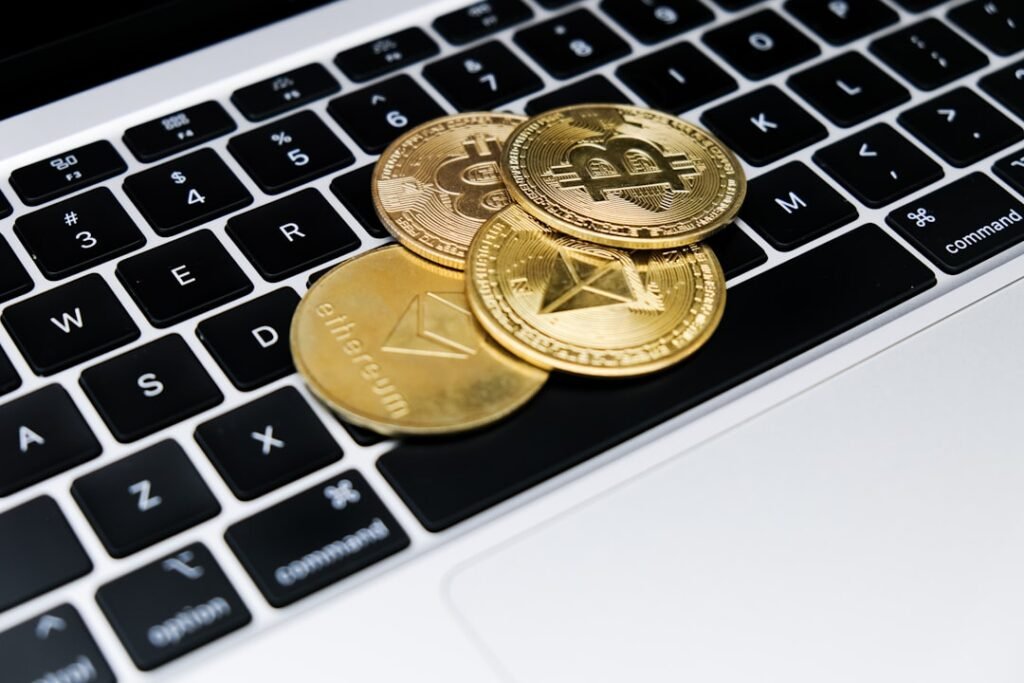
The year is 2026. The blockchain landscape, while more mature than its early days, continues to be a dynamic and often unforgiving arena for newcomers. The narrative of “My First Blockchain Trade: A Brutal Education” is a common one, echoing experiences from a decade ago and resonating with fresh participants today. This article delves into the core lessons learned from that initial, often painful, foray into decentralized finance (digital assets, non-fungible tokens, and their underlying technologies), offering insights into navigating this complex world with greater confidence and competence.
The Allure and the Illusion: Why Many Take the Plunge
The promise of rapid wealth creation, technological disruption, and financial sovereignty continues to draw millions into the blockchain space. Social media feeds are rife with success stories, often omitting the numerous failures that underpin them. For many, the initial decision to engage in a blockchain trade isn’t born from a deep understanding of technical fundamentals or market cycles, but rather from a desire to participate in what appears to be a revolutionary shift.
The Initial Spark: Driven by Hype and FOMO
In 2026, the narratives are often more sophisticated than “dog coins to the moon,” yet the underlying psychological triggers remain similar. Fear of Missing Out (FOMO) plays a significant role. Friends, online communities, or even mainstream news reports highlighting impressive gains can create an irresistible urge to join in. This initial spark often bypasses critical research, leading to impulsive decisions. The idea of experiencing this new financial frontier often overrides the imperative to understand it first.
The “Easy Money” Fallacy
Many new traders approach their first blockchain trade with the belief that it will be a straightforward path to profit. They might hear about a new project, a “hot” digital asset, or a promising decentralized application (dApp) and assume that simply buying in will yield significant returns. This illusion of “easy money” is perhaps the most dangerous trap, as it sets unrealistic expectations and discourages the disciplined approach necessary for success. The reality, as many quickly discover, is far more complex and demanding.
The First Trade: Where Theory Meets Reality
The moment of the first trade is often a mix of excitement, trepidation, and a surprising lack of preparedness. Whether it’s acquiring a common digital asset on a centralized exchange or engaging with a decentralized exchange (DEX) for a more niche token, the process itself can be a steep learning curve.
Navigating the On-Ramp: The First Hurdles
Even before the trade itself, new participants often face their first set of challenges: setting up a secure digital wallet, understanding seed phrases and private keys, and navigating the sometimes cumbersome process of converting fiat currency into a digital asset. This initial technical hurdle, while seemingly minor, can be a precursor to deeper complexities. Mistakes here, such as insecure storage of private keys, can lead to devastating losses, highlighting the paramount importance of security best practices from day one.
The Execution: Speed, Fees, and Slippage
Once funds are in place, executing the trade itself can be a revelation. The speed at which prices fluctuate, the impact of transaction fees (gas fees), and the concept of slippage on decentralized exchanges can quickly erode initial capital if not understood. A seemingly small fee can become significant for smaller trades, and a sudden price swing can result in buying or selling at a less favorable rate than intended. This is where the experience of direct market interaction begins to teach invaluable lessons.
The Brutal Education: Lessons Forged in Volatility
The true education often begins immediately after the first trade, as market forces unleash their full power. The sheer volatility of digital asset markets, even in 2026, remains a defining characteristic. Prices can swing wildly, influenced by global events, technological advancements, regulatory news, and even social media sentiment.
Volatility as a Teacher: The Swings and the Scars
Imagine investing in a seemingly promising digital asset, only to watch its value plummet by 30% in a single day. This is a common experience for many first-time traders. The emotional rollercoaster of seeing gains evaporate, or losses deepen, can be intense. It’s during these moments that the importance of risk management and a long-term perspective becomes painfully clear. This isn’t just about financial loss; it’s about the psychological impact of witnessing significant capital fluctuations. The scars left by these experiences often foster a deeper expertise in market behavior.
The Emotional Gauntlet: Greed, Fear, and Impulsivity
The market isn’t just a collection of numbers; it’s a reflection of human psychology. New traders often fall prey to greed when prices are rising, leading them to chase pumps or over-invest. Conversely, fear can drive panic selling at the bottom of a downturn, locking in losses. The brutal education lies in understanding and managing these emotions. Impulsive decisions, often driven by these emotional extremes, are frequently the undoing of new participants. Developing the discipline to stick to a pre-defined strategy, even when emotions run high, is a critical skill.
Research Deficiencies: The Cost of Ignorance
Many initial trades are made with insufficient research. This might involve not fully understanding the underlying technology of the digital asset, its tokenomics, the team behind the project, or its long-term viability. The market has a way of exposing these knowledge gaps. A project that seemed revolutionary based on a quick skim might turn out to be technologically unsound, a regulatory risk, or simply a poorly conceived idea. This underscores the need for genuine expertise and thorough due diligence. Relying solely on social media recommendations or anecdotal evidence is a recipe for disaster.
Building Resilience and Expertise: Moving Beyond the First Trade
The “brutal education” isn’t a terminal point; it’s a foundation. Those who persevere and learn from their initial mistakes often emerge as more informed and resilient participants.
The Power of Continuous Learning
The blockchain space evolves at an astonishing pace. What was cutting-edge in 2022 might be obsolete by 2026. Therefore, continuous learning is not merely beneficial, but essential. This involves:
- Understanding fundamental concepts: Delving deeper into cryptography, consensus mechanisms, smart contracts, and various blockchain architectures.
- Following legitimate news sources: Differentiating between reliable reporting and speculative noise.
- Analyzing project whitepapers and roadmaps: Critically evaluating the technical merits and potential of new ventures.
- Engaging with knowledgeable communities: Participating in forums and discussions where substantive insights are shared, rather than just hype.
This commitment to understanding the nuances builds expertise over time.
Developing a Robust Risk Management Strategy
Perhaps the most critical lesson from a brutal first trade is the absolute necessity of risk management. This involves:
- Only investing what you can afford to lose: This golden rule prevents financial ruin and reduces emotional stress.
- 다각화: Spreading investments across different digital assets or sectors to mitigate the impact of any single asset’s underperformance.
- Setting stop-loss orders: Automatically selling an asset if it drops to a certain price, thereby limiting potential losses.
- Understanding position sizing: Determining the appropriate amount of capital to allocate to any single trade based on your risk tolerance.
- Avoiding leverage for beginners: While tempting, leverage amplifies both gains and losses, making it incredibly dangerous for those without significant experience.
A well-defined risk management strategy acts as a safeguard, enhancing trustworthiness in your own decision-making process.
The Importance of Due Diligence
Before any investment, conducting thorough due diligence is paramount. This extends beyond merely checking the price chart. It involves:
- Investigating the project’s utility and use case: Does it solve a real-world problem?
- Assessing the team’s credibility and experience: Do they have a proven track record?
- Analyzing tokenomics: How is the digital asset distributed? Is there inflationary pressure?
- Evaluating community engagement and development activity: Is the project actively being built and supported?
- Considering regulatory implications: Are there potential legal or compliance risks?
By rigorously examining these factors, individuals build a more robust authoritativeness in their investment choices, moving beyond speculative gambling.
The Evolving Landscape: 2026 and Beyond
In 2026, the blockchain space is characterized by increased institutional adoption, clearer regulatory frameworks in some jurisdictions, and a growing emphasis on real-world utility. However, market volatility and the potential for speculative bubbles remain.
Regulatory Clarity and its Impact
While some regions have embraced blockchain with progressive regulations, others remain cautious or even hostile. Staying informed about the regulatory environment is crucial, as it can significantly impact the legality, liquidity, and even existence of certain digital assets or services. This knowledge contributes directly to an individual’s authoritativeness within the space.
The Rise of Decentralized Finance (DeFi) 2.0 and Real-World Assets (RWAs)
The evolution of DeFi, now often referred to as DeFi 2.0, focuses on sustainability, capital efficiency, and integrating real-world assets onto the blockchain. Understanding these advanced concepts, from liquid staking protocols ~에 tokenized real estate, requires continuous learning and a deeper expertise than was necessary in the initial speculative phases.
Cybersecurity: A Constant Battle
As the value locked in blockchain ecosystems grows, so too do the sophisticated threats from malicious actors. Cybersecurity best practices are non-negotiable. This includes:
- Using strong, unique passwords for all accounts.
- Enabling two-factor authentication (2FA) wherever possible.
- Being wary of phishing attempts and suspicious links.
- Regularly auditing wallet permissions.
- Considering hardware wallets for significant holdings.
A commitment to robust security builds trustworthiness in one’s own ability to protect digital assets.
Conclusion: From Brutal Education to Informed Participation
“My First Blockchain Trade: A Brutal Education” is a universal narrative in this ever-evolving digital frontier. While the initial experience can be financially painful and emotionally draining, it serves as an invaluable crucible for developing essential skills and perspectives. The journey from a novice, driven by hype, to an informed participant is paved with hard-won lessons in risk management, continuous learning, thorough due diligence, and emotional discipline.
In 2026, success in the blockchain space is less about chasing the next big pump and more about cultivating genuine experience, expertise, authoritativeness, and trustworthiness in one’s approach. Those who embrace the “brutal education” as a foundational learning curve, rather than a deterrent, are the ones most likely to navigate the complexities of this transformative technology and participate meaningfully in its future. The decentralized world rewards not just the bold, but the diligently informed.